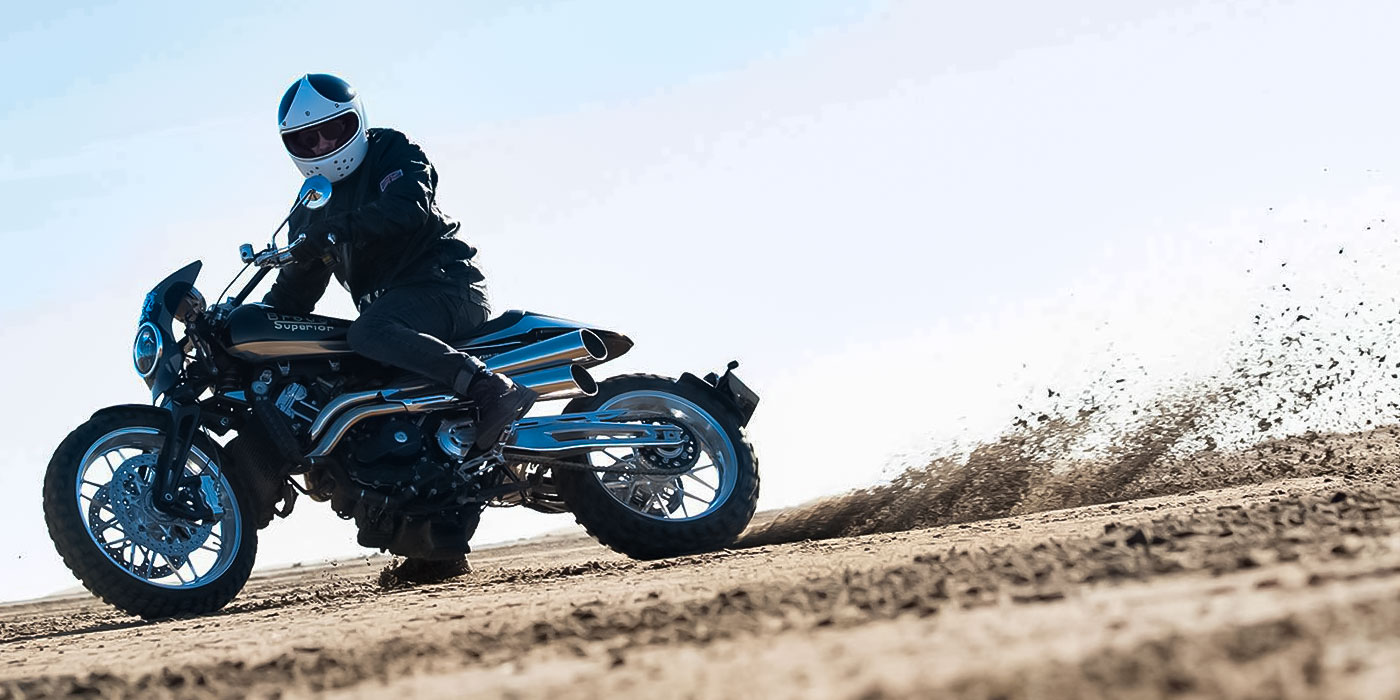


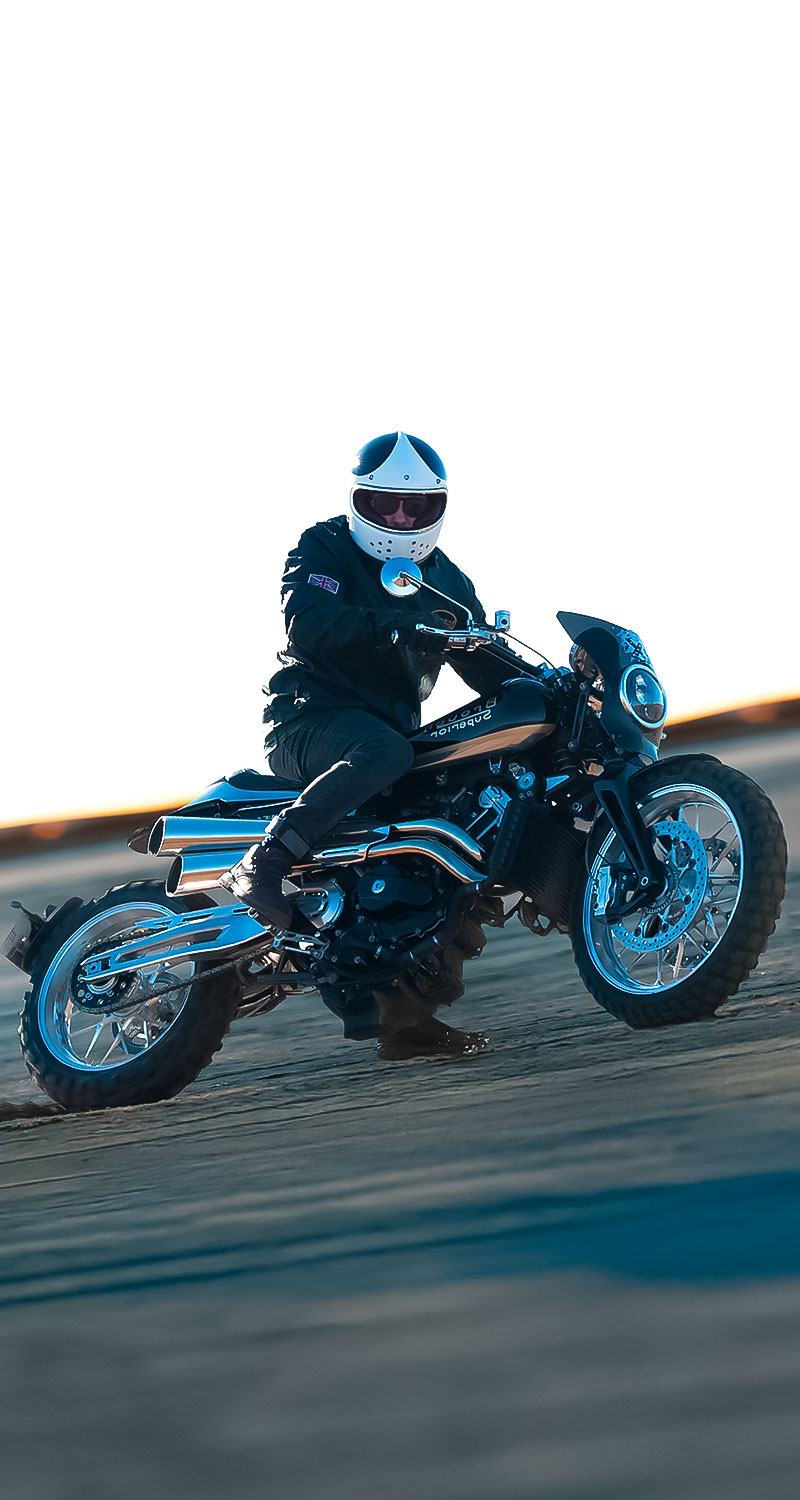

── A legend carved upon the sands, revived for the present age.
Pendine Sands, stretching along the southwest coast of Wales, reveals at low tide a vast, firm expanse of shore extending nearly 11 kilometers. This remarkable landscape, shaped by nature’s own hand, emerged in the early twentieth century as one of the world’s most iconic straight-line test grounds.
In the 1920s, it became a sanctum for those who pursued absolute speed. On four wheels, Malcolm Campbell broke through the mythical 150-mph barrier, while Parry Thomas risked—and ultimately lost—his life in an attempt to surpass 270 km/h.
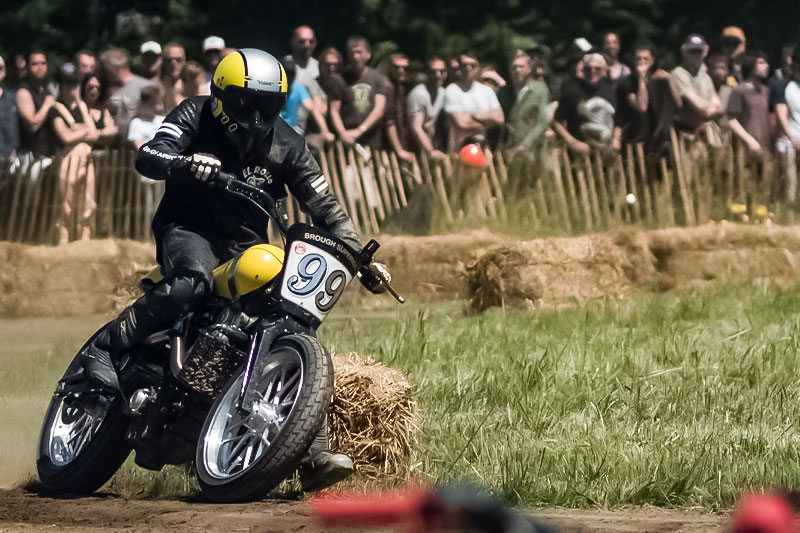
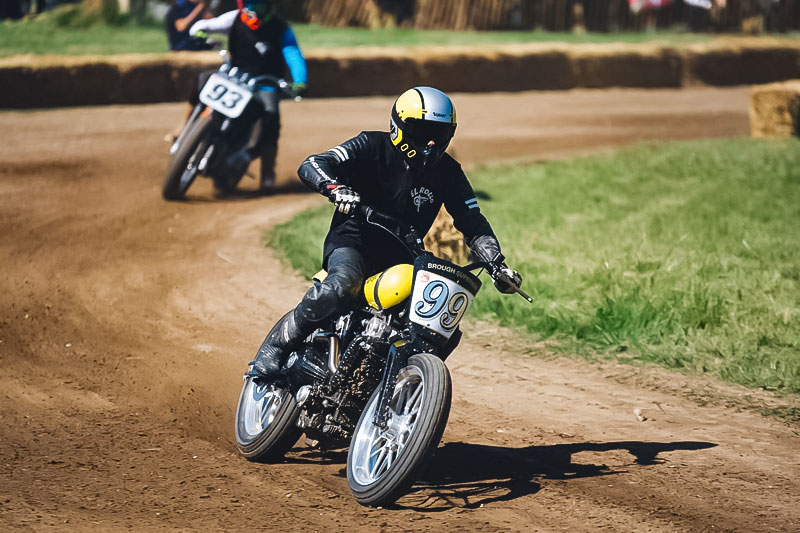
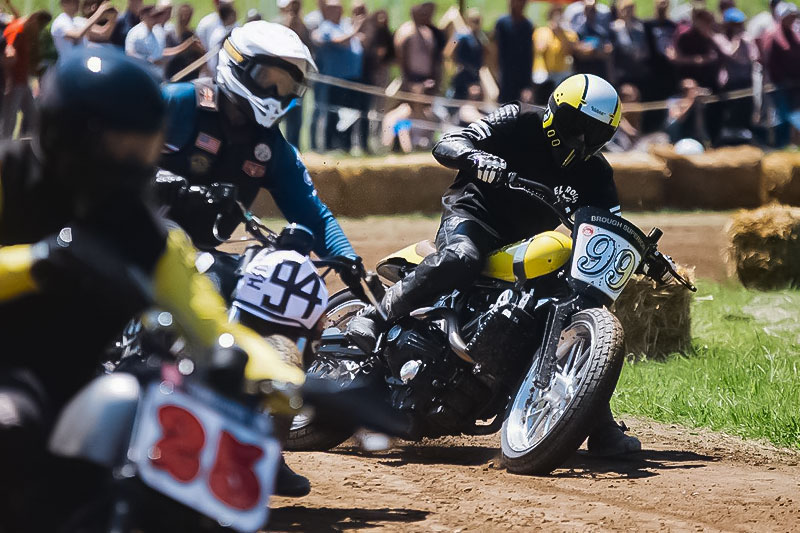
In the realm of motorcycles, Pendine Sands was no less significant. Beginning in 1922, it became home to the Welsh Tourist Trophy, where machines hurled themselves across the sand, cutting the wind with unrestrained determination.
Then, in 1927, George Brough himself arrived with his S.S.100. With a fierce charge across the shore, he achieved 130.6 mph (approx. 210 km/h), establishing the world’s fastest solo motorcycle record of the era.
Pendine Sands would continue to beckon challengers for generations. Even in 2018, Zef Eisenberg attacked the shore aboard a radically modified Hayabusa, surpassing 320 km/h and pushing the boundaries yet again.
It is upon this storied ground that the name Brough Superior now returns.
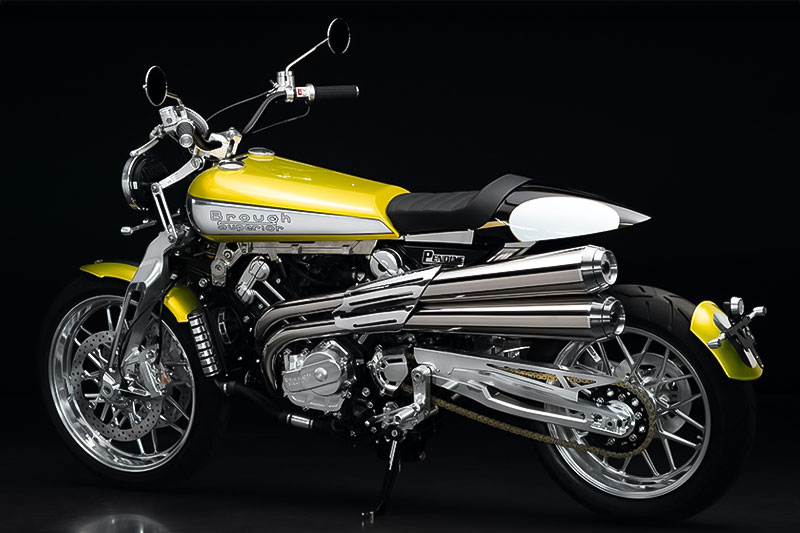
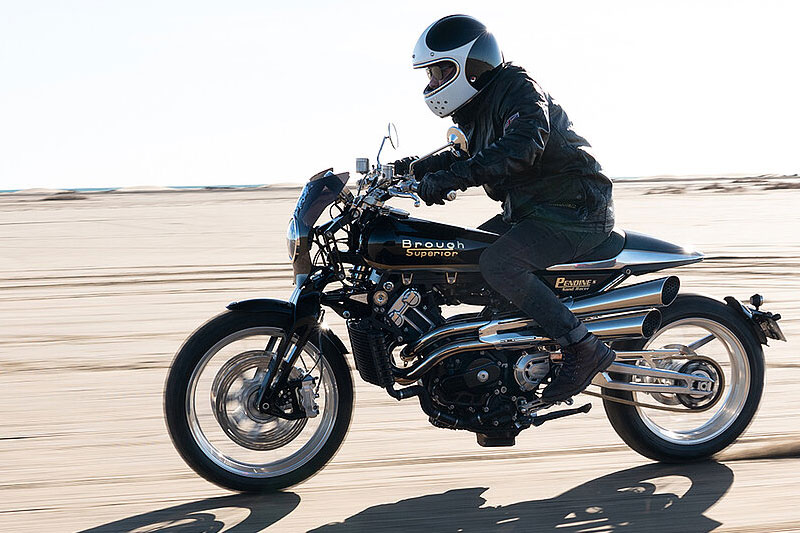
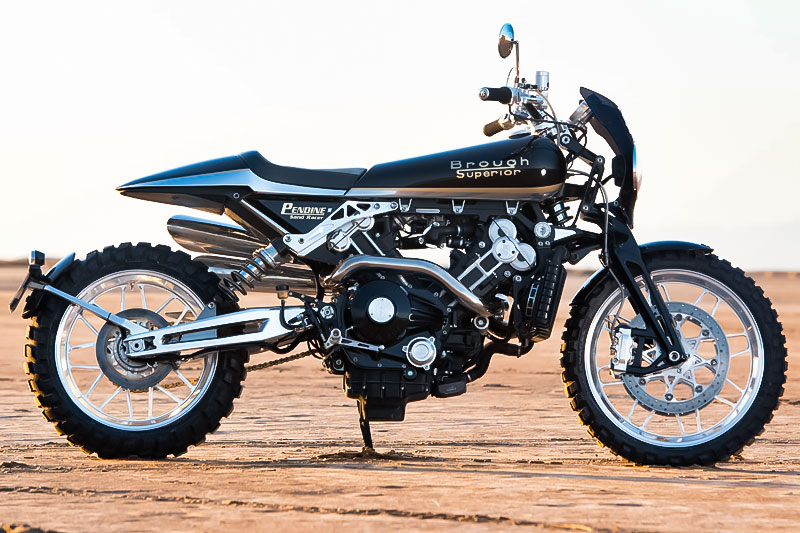
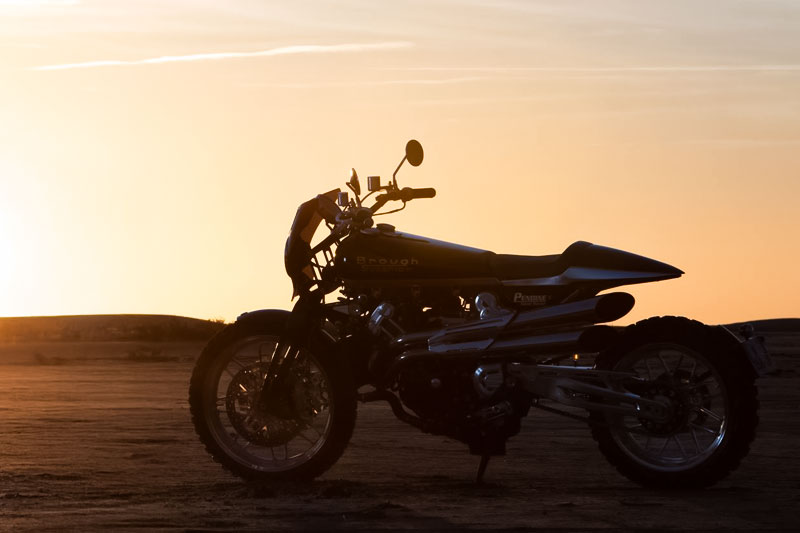
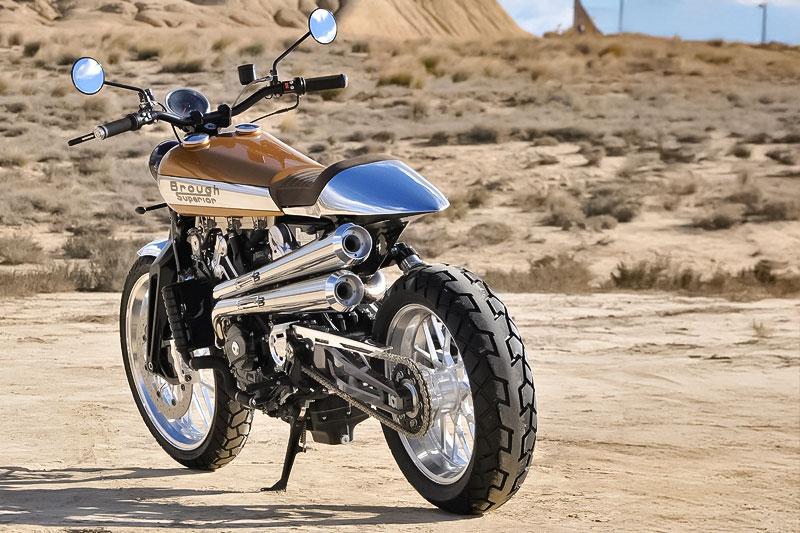
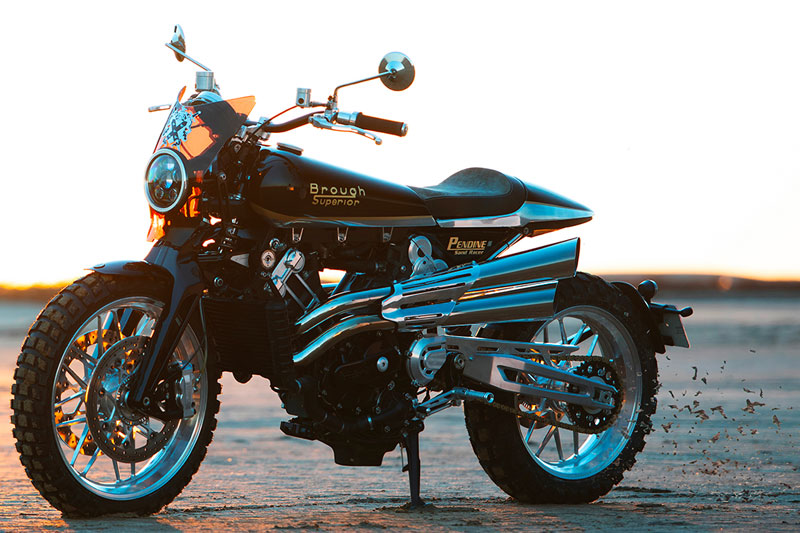
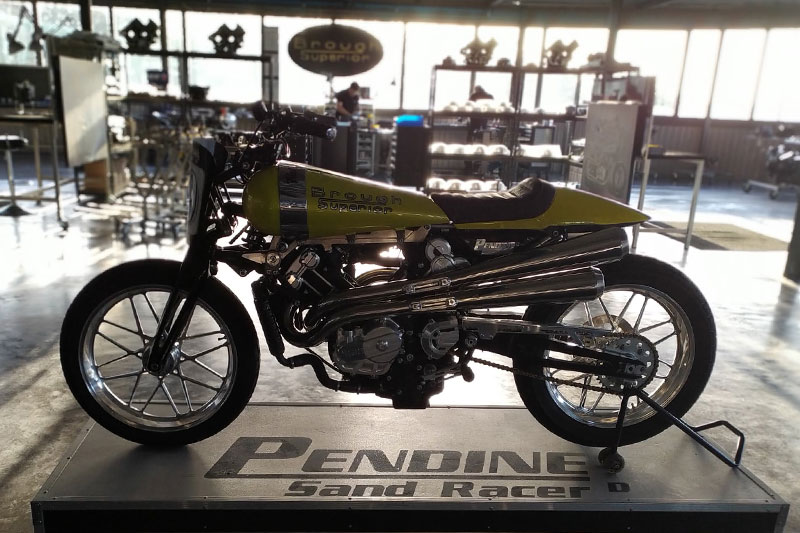
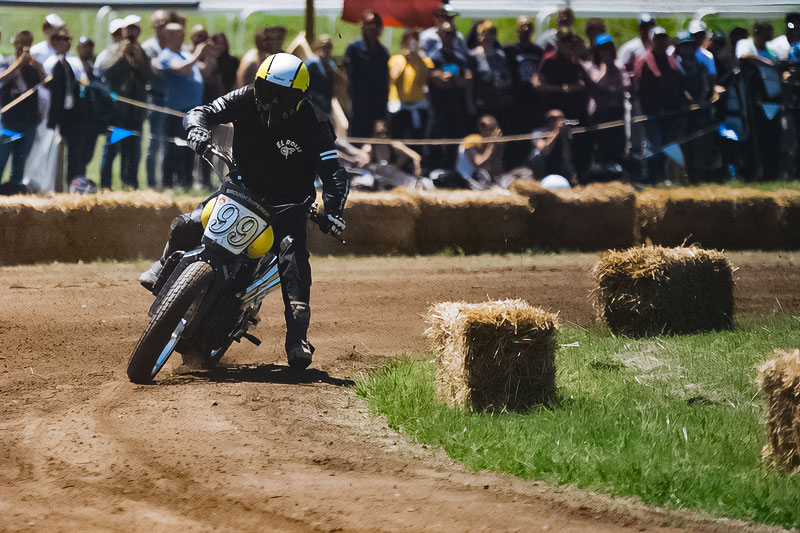
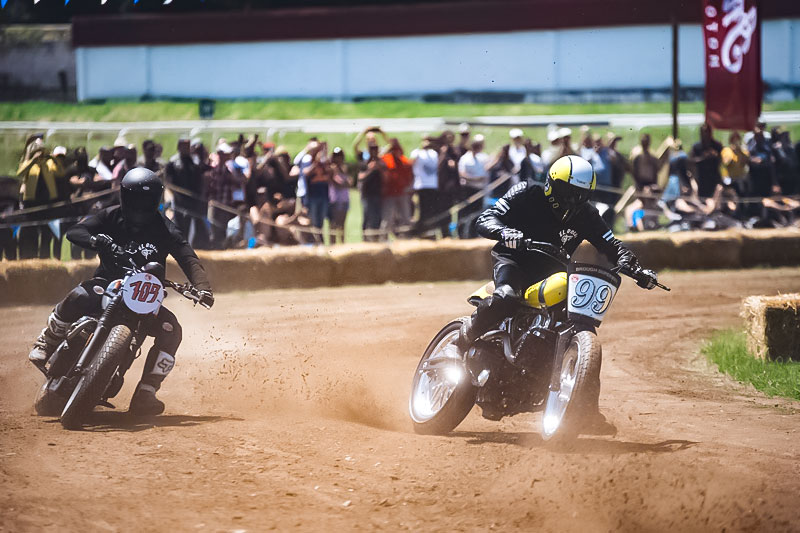
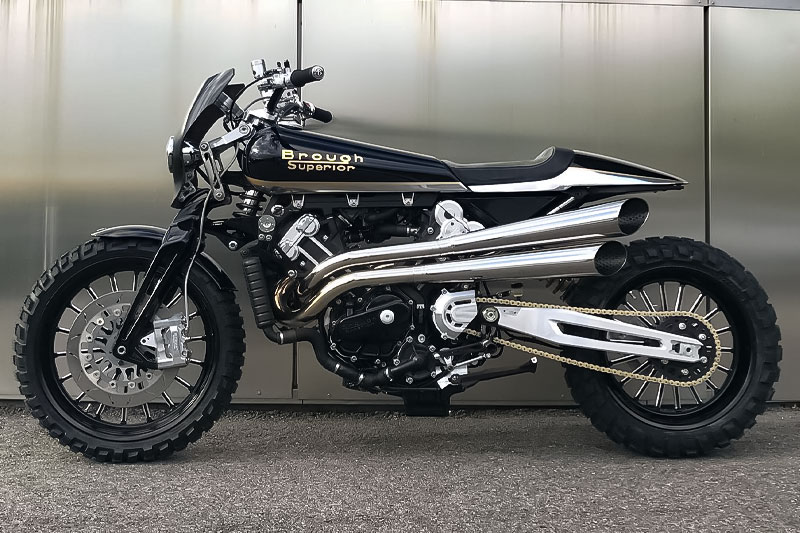
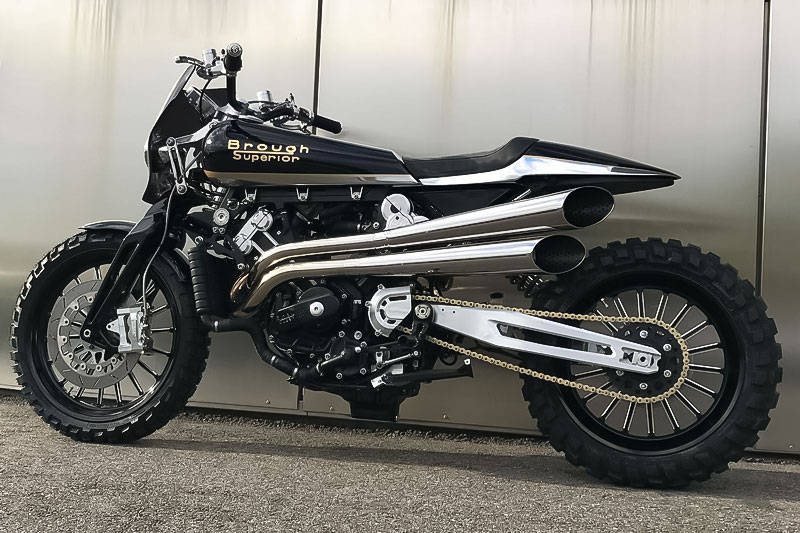
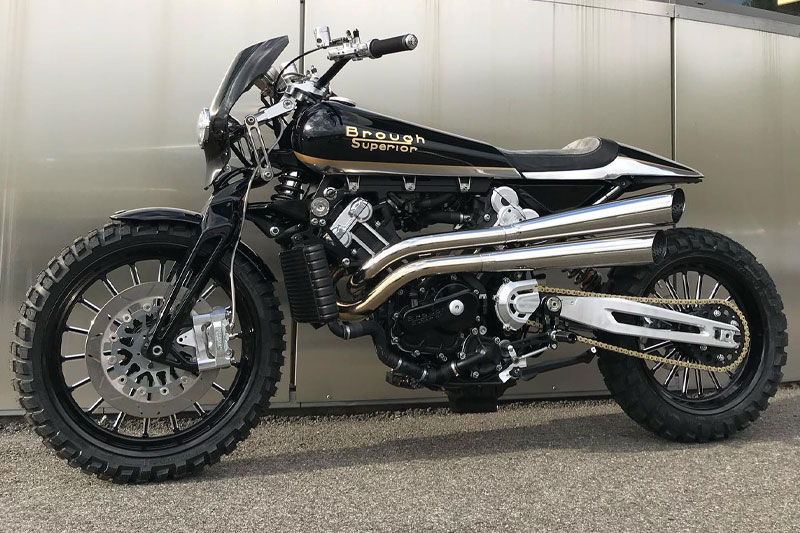
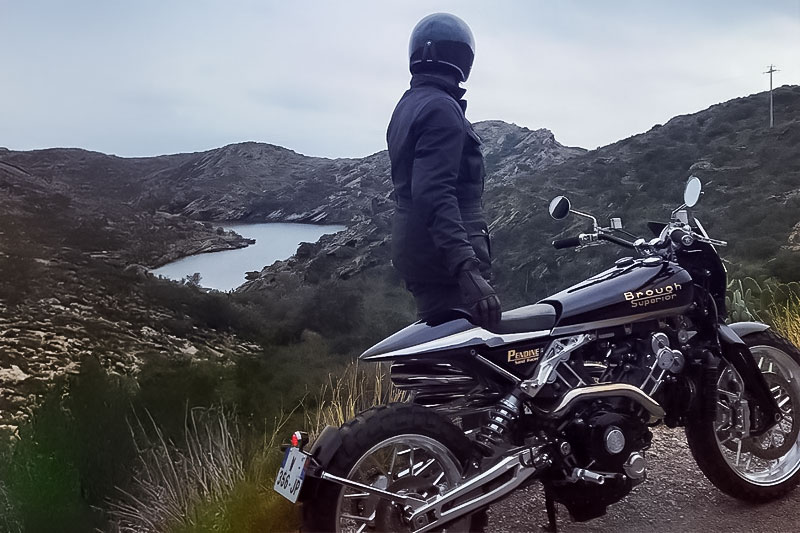
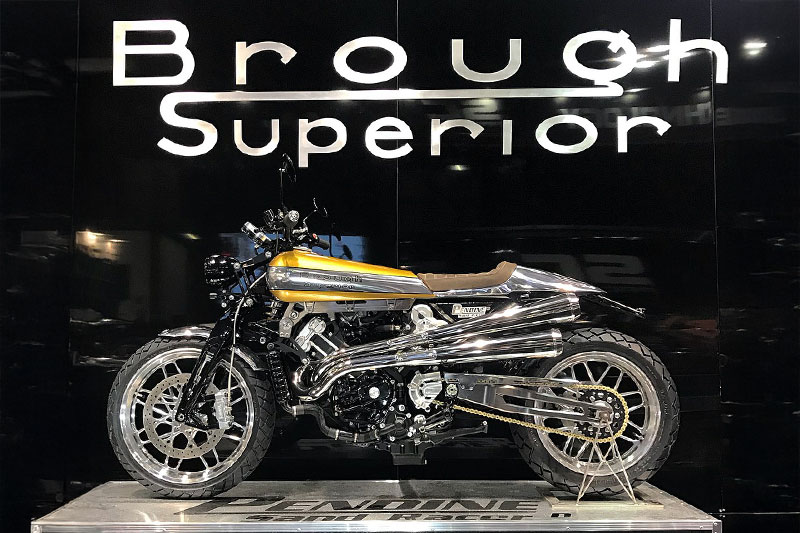
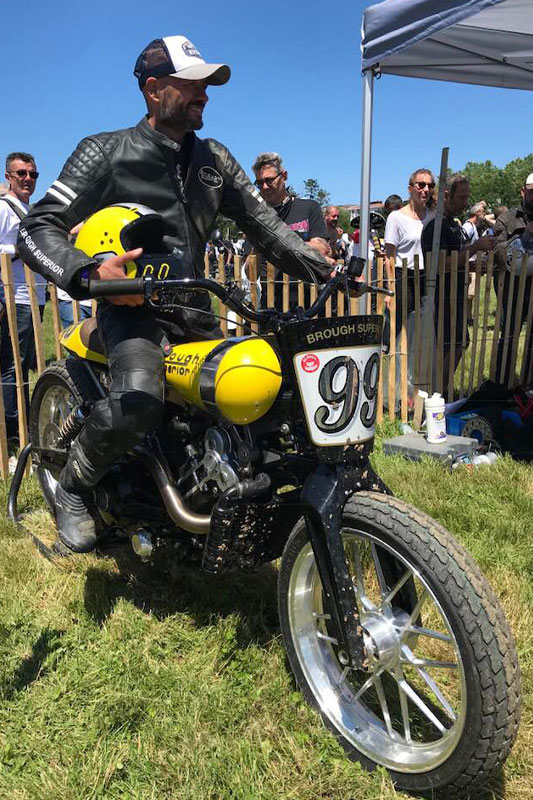
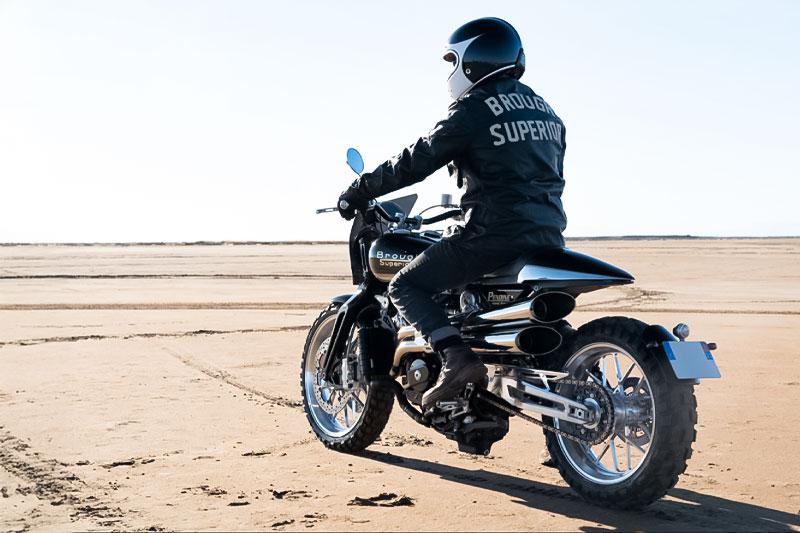
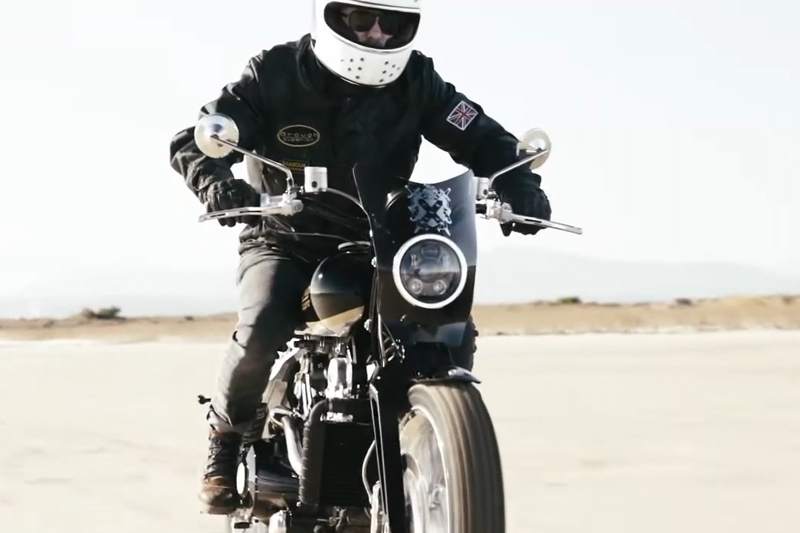
The machine carrying forth this legacy into the modern era is the Pendine Sand Racer — a creation forged from reverence for history and a relentless desire to advance. It embodies not merely speed, but the noble spirit of challenge itself.
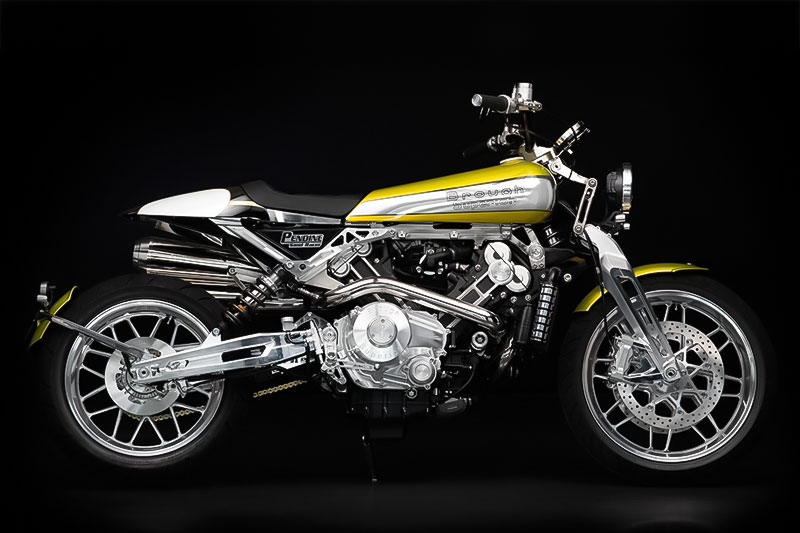
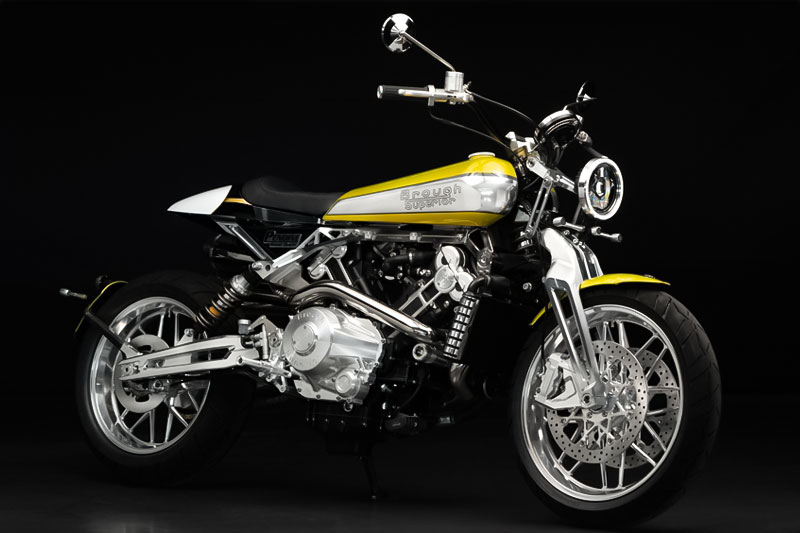
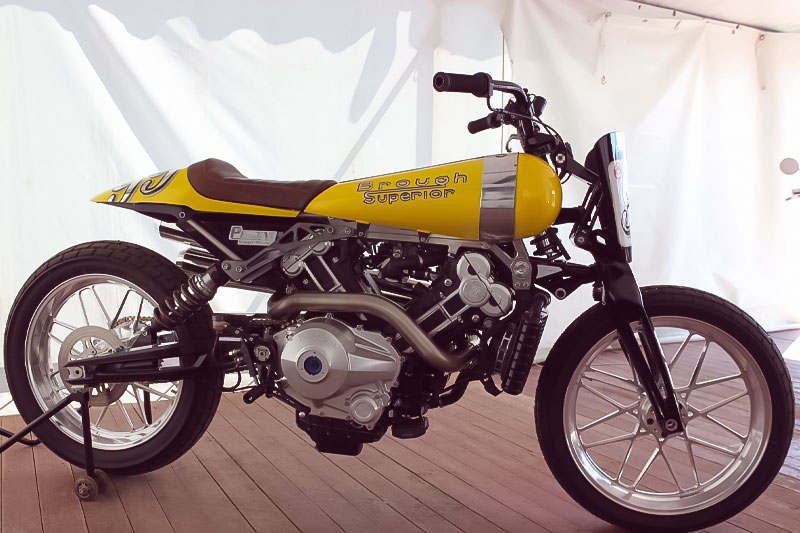
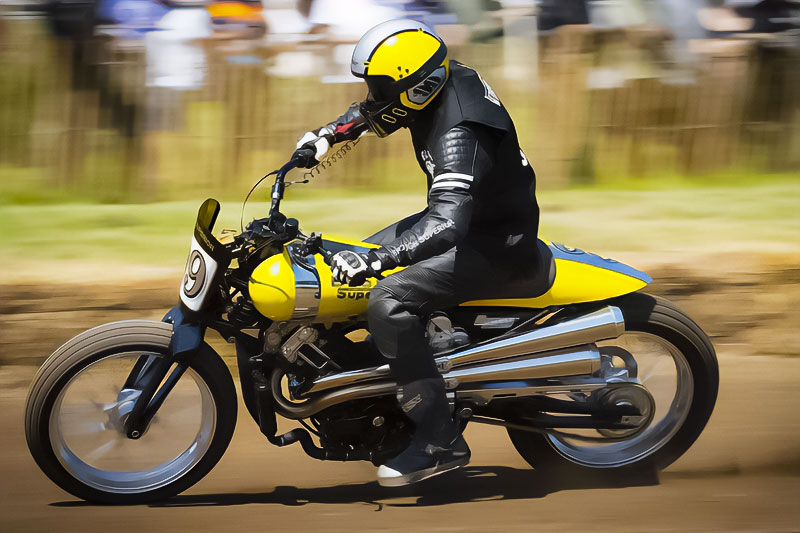
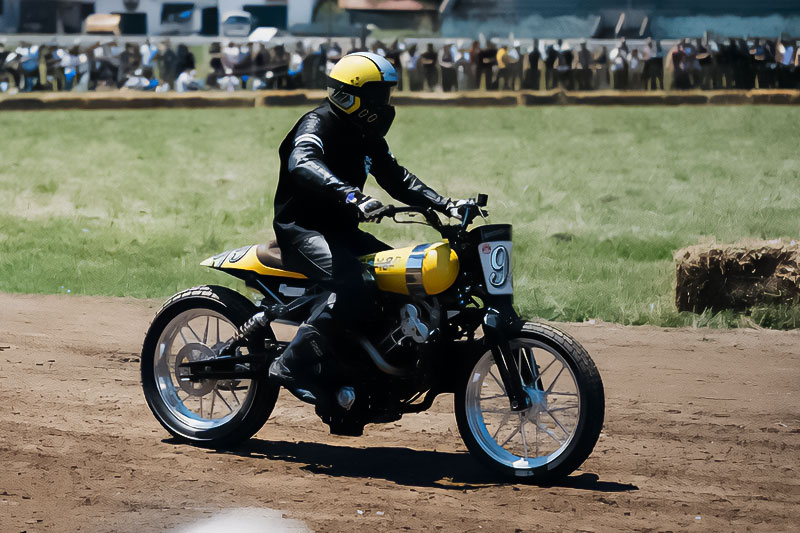
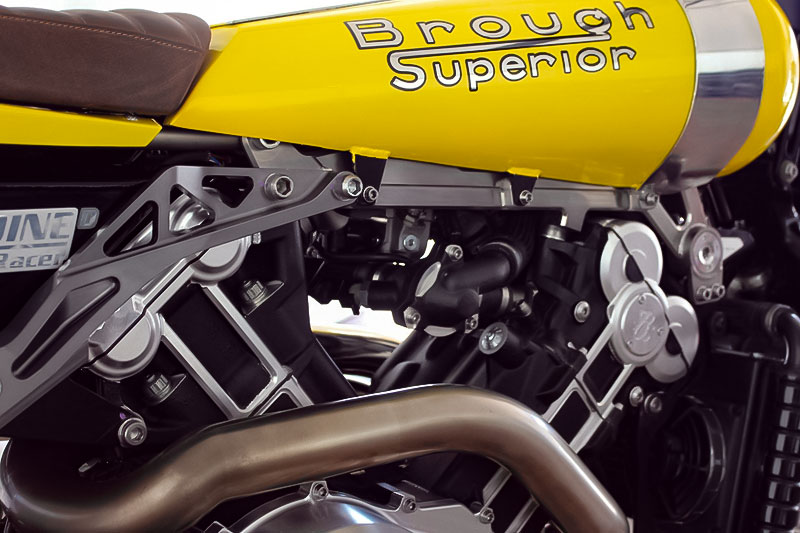
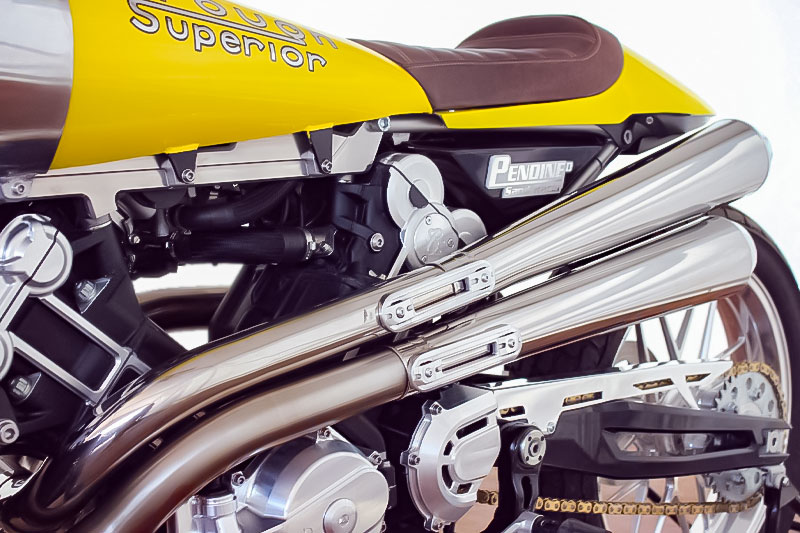
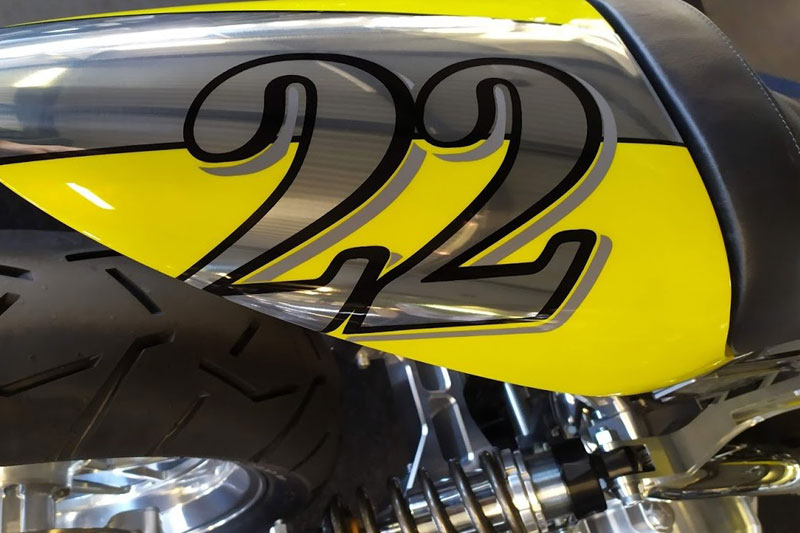
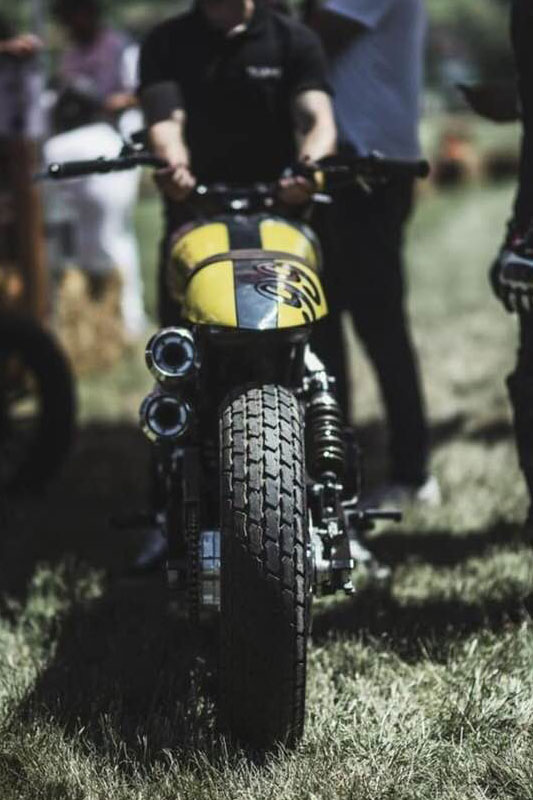
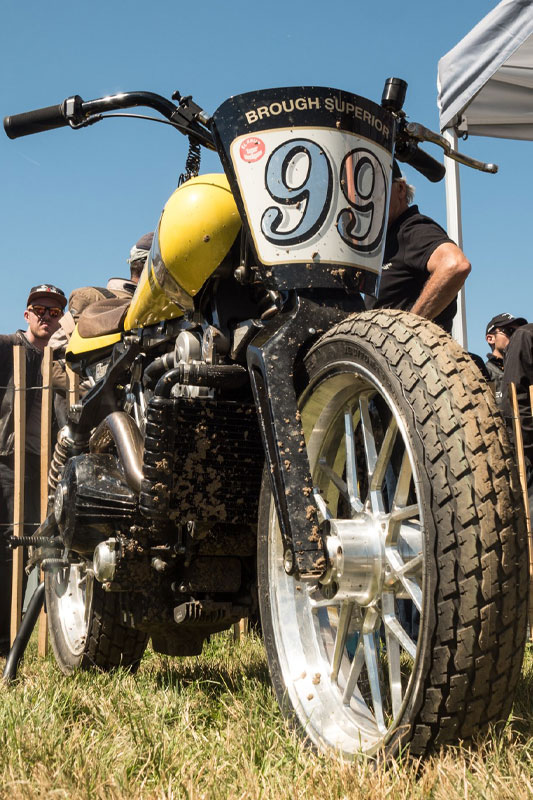
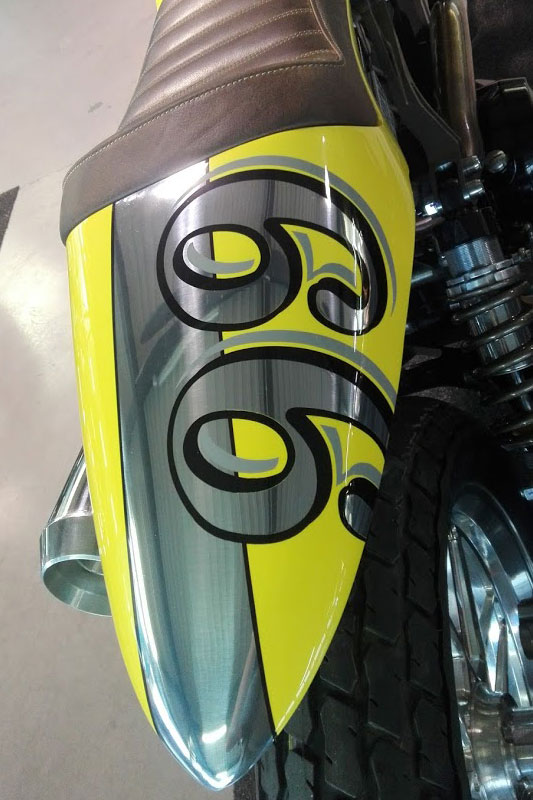
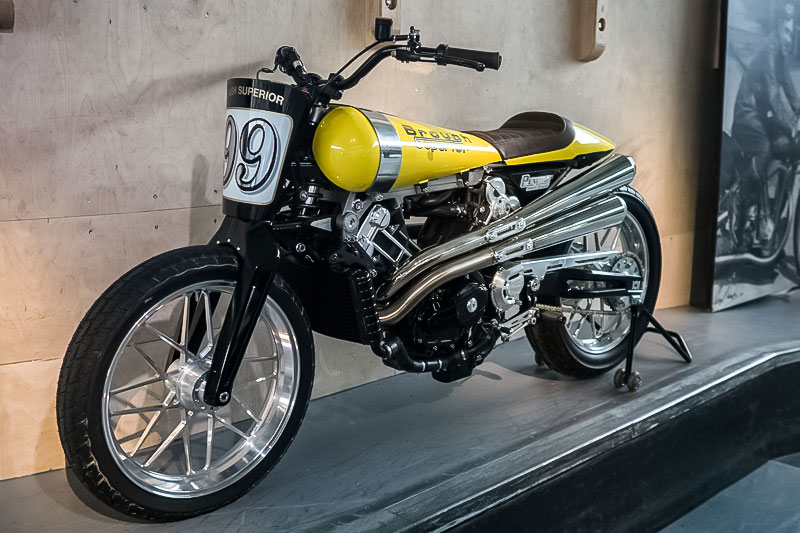
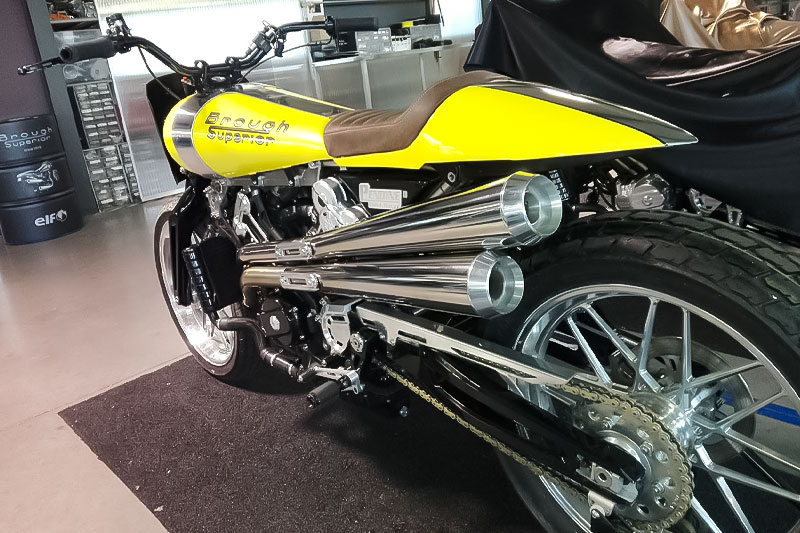
Its presence carries the strength and refinement of sand-etched memory: a boldly upswept exhaust, broad and rigid handlebars, and an exquisitely sculpted aluminum tank and seat unit whose surfaces gather light into quiet shadows and poised tension.
Beneath this design resides a 997cc liquid-cooled, DOHC 88-degree V-twin, delivering 102 hp and 87 Nm of torque, offering robust, tractable power even on unpaved terrain.
The chassis employs lightweight, high-rigidity titanium alloy, paired with a Fior-type double wishbone front suspension that unites agile response with immaculate stability.
Braking is entrusted to Beringer discs front and rear, while CNC-machined wheels—19-inch at the front, 17-inch at the rear—form a precise and communicative interface with the surface below.
Each machine is meticulously crafted, one by one, by master artisans in the atelier of Toulouse, France.
This motorcycle stands not simply as a tool of speed, but as a work of motoring art — a union of heritage and innovation. It resonates with the owner’s sensibilities and philosophy, revealing its true brilliance only through the act of riding.
The legend etched into the sands of Pendine ──
Through the Pendine Sand Racer, that memory awakens once more, breathing quietly yet vividly in the hearts of those who ride today.

| Dimensions | |
|---|---|
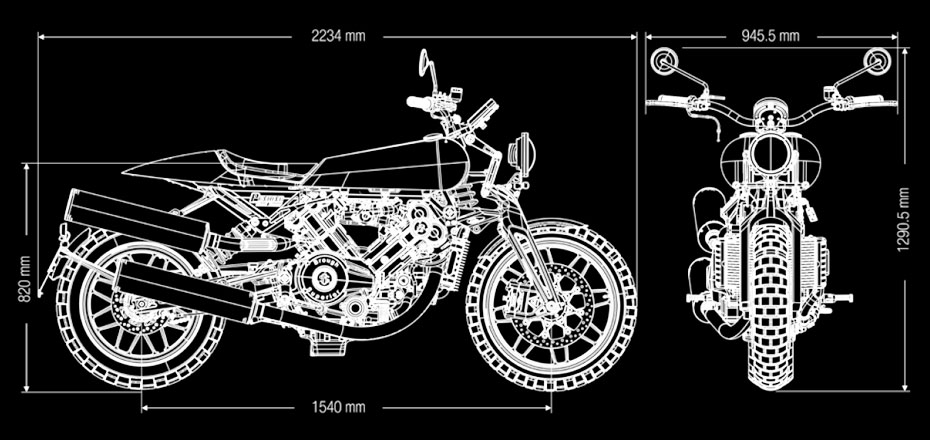
| Overall Length | 2234 mm |
| Overall Width | 945.5 mm |
| Seat Height | 820 mm |
| Wheelbase | 1540 mm |
| Engine | |
|---|---|
| Engine Type | 997 cc, Liquid-cooled, DOHC, 88° V-twin, 4-stroke 4 valves per cylinder / Chain + gear-driven cam system |
| Maximum Power | 102 bhp (75 kW) / 9600 rpm <Euro 4> |
| Maximum Torque | 87 Nm (64 lb-ft) / 7300 rpm |
| Compression Ratio | 11 : 1 |
| Fuel System | Electronic fuel injection (Synerject ECU) 50 mm throttle bodies × 2 (1 injector per cylinder) |
| Gearbox | 6-speed |
| Clutch | Wet multi-plate clutch (hydraulic actuation) |
| Chassis | |
|---|---|
| Frame | Machined titanium frame + titanium subframe |
| Front Suspension | Machined aluminum Fior-type fork Titanium link-type mono-shock with preload / rebound adjustment (120 mm travel) |
| Rear Suspension | Cast aluminum swingarm (engine-mounted pivot) Progressive-link mono-shock with preload / rebound adjustment (130 mm travel) |
| Rake / Trail | 24.8° / 108 mm (Fork offset: 38 mm) |
| Front Brake | Ø320 mm stainless discs × 4 4-piston Beringer radial calipers × 2 |
| Rear Brake | Ø230 mm stainless disc × 1 2-piston Beringer radial caliper × 1 |
| Wheels | CNC-machined aluminum wheels (16-spoke) |
| Front Tire | 120/70 – 19″ (Rim width 3.50″) |
| Rear Tire | 170/60 – 17″ (Rim width 4.5″) |
| Dry Weight / Distribution | 186 kg <50 : 50 front / rear> |